The southern part of India boasts a rich tapestry of culture, history, and natural beauty, and embarking on a journey from the ancient town of Kumbakonam to the serene coastal haven of Pondicherry promises an unforgettable experience. This 200-kilometer road trip not only spans the distance between two distinct regions but also takes travelers through a spectrum of landscapes, each revealing a unique facet of South India’s charm.
The Charms of Kumbakonam: Our journey commences in the heart of Tamil Nadu, in the town of Kumbakonam. Famous for its temples, vibrant festivals, and traditional architecture, Kumbakonam is a treasure trove of cultural heritage. The air is filled with the aroma of incense as you explore the intricately carved structures such as the Adi Kumbeswarar Temple and the Sarangapani Temple, which stand as testaments to the region’s artistic and spiritual prowess.
The Road Less Traveled
Leaving Kumbakonam, we hit the road, leaving behind the bustling streets and immersing ourselves in the serene countryside. The route to Pondicherry offers a visual feast of rural landscapes, where lush paddy fields, quaint villages, and meandering rivers provide a picturesque backdrop to the journey.
Tanjore’s Artistic Legacy
As we approach the city of Thanjavur (Tanjore), a detour to explore its artistic treasures is a must. The Brihadeeswarar Temple, a UNESCO World Heritage Site, stands tall as one of India’s architectural marvels, showcasing the Chola dynasty’s grandeur. The Tanjore Palace and the Saraswathi Mahal Library offer insights into the region’s cultural richness, making a brief stop here an enriching experience.
The Enchanting Tranquebar
Continuing our journey, we reach Tranquebar, a coastal town with a colonial legacy. The Dansborg Fort, built by the Danish in the 17th century, and the New Jerusalem Church echo the town’s historical significance. Strolling along the pristine beaches, one can almost feel the whispers of the past and the waves of the Bay of Bengal providing a soothing soundtrack.
Chidambaram’s Spiritual Aura
Chidambaram, our next destination, is known for the Nataraja Temple, dedicated to Lord Shiva in his cosmic dance form. The temple’s architecture, adorned with intricate sculptures, narrates stories from Hindu mythology. The spiritual ambience and the vibrant energy make it a must-visit site for those seeking a deeper connection with India’s religious heritage.
Glimpses of Cuddalore
As we approach Pondicherry, a brief stop in Cuddalore offers a glimpse into the town’s colonial past. The Silver Beach and the Padaleeswarar Temple add to the town’s charm, providing a refreshing break before the final stretch of our journey.
Arrival in Pondicherry – A French Connection
Finally, we arrive in Pondicherry, a unique blend of French and Indian influences. The French Quarter, with its colonial architecture and tree-lined streets, transports visitors to a bygone era. A visit to Auroville, an experimental township promoting unity and peace, provides a fitting conclusion to our journey.
Conclusion:
The road from Kumbakonam to Pondicherry weaves together the threads of history, spirituality, and natural beauty, offering a holistic experience of South India’s diverse tapestry. Each stop along the way reveals a new facet of this culturally rich region, leaving travelers with memories that linger long after the journey concludes. Whether you seek spiritual enlightenment, historical insights, or simply a scenic drive, this road trip is a gateway to the soul of southern India.
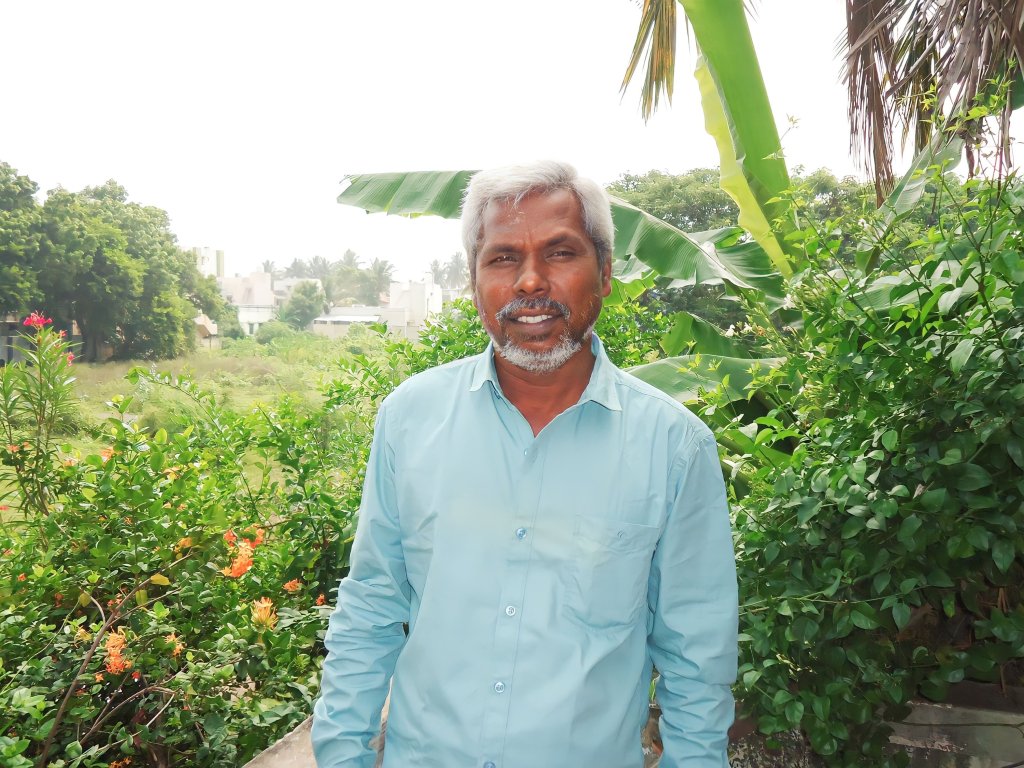
இவர் 1975 ஆம் ஆண்டில் பிறந்தார். சிறுவயதில் தனது பெற்றோர் ஆதரவுடன் தனது பள்ளிப் படிப்பை தொடங்கினார். 1984 ஆம் ஆண்டு அவரது தந்தை இறந்துவிட்டார். தந்தையை இழந்த அவர் தன் தாய் வீட்டுவேலைக்கு சென்றதால் குடும்ப சூழ்நிலை காரணமாக தனது பள்ளிப் படிப்பை தொடர முடியவில்லை. தன் குடும்பத்தை காப்பாற்ற விவசாய வேலைகள் அனைத்திற்கும் சென்றார் (தென்னை மரம் ஏறுதல்…….).
இளம் வயதிலேயே இவருக்கு கிடைக்கும் வருமானத்தில் தானும் வாழ்ந்து தன்னிடம் உதவி என்று தன்னை நாடி வருபவர்களுக்கு உதவி செய்தார். தான் கஷ்டப்படும் போது யாரும் முன் வந்து உதவாத காரணத்தினால் தன்னிடம் உதவி என்று வருவோருக்கு தன்னால் இயன்ற உதவிகளை செய்து வந்தார்.
இவர் 2000 ஆம் ஆண்டில் ஏழை எளிய குடும்பத்து பெண்னை எந்த ஒரு எதிர்பார்ப்பும் இல்லாமல் திருமணம் முடித்தார். மனைவி குழந்தைகள் என மகிழ்ச்சியுடன் வாழ்ந்து வந்தனர். இருப்பினும் தன்னுடைய குழந்தைகள் படிப்பின் மத்தியில் முதியோர் , குழந்தைகள் இல்லத்திற்கு தன்னால் இயன்ற உதவிகளை செய்து வருகிறார். அவர் தன் சக நண்பர்கள் மற்றும் நண்பர் உறவினர்கள் இவர்களுக்கு எந்த உதவியாக இருந்தாலும் எந்த எதிர்ப்பார்ப்பும் இன்றி தடை இல்லாமல் உதவுவார்.
பசியின்றி வருவோர்க்கு கடையில் தேனீர், உணவு போன்றவற்றை வாங்கி கொடுத்து பசியார வைபார். எந்த ஒரு முக சுழிப்பும் இல்லாமல் தன்னிடம் இல்லை என்றாலும் தனக்கு தெரிந்தவர்களிடம் உதவி கேட்டு இரவு பகல் பாராது உதவி வருகிறார். இத்தனைக்கும் அவர் கூலி வேலை செய்து வருகிறார். இவர் பனக்காரரும் இல்லை நடுத்தர குடும்பத்தைச் சேர்ந்தவரும் இல்லை. ஆனாலும் இவரது செயல் வியக்க தக்கது.
கும்பகோணம் என்றால் கோயில்களையும் தாண்டி பலருக்கும் நினைவிற்கு வருவது டிகிரி காபி. நம்மில் பலருக்கும் பிடித்த பானம் காபி, ‘காபி” என்ற வார்த்தையைக் கேட்டாலே அதைப் பருகும் முன்பே பலருக்கும் உற்சாகம் வந்துவிடும். அதிலும் கும்பகோணம் டிகிரி காபி என்றால் சொல்லவா வேண்டும்? குடந்தையில் பல இடங்களில் காபி பொடிகள் தயாரிக்கின்றனர், டிகிரி காபி விற்பனை செய்கின்றனர். அதிலும் தனித்துவம் வாய்ந்த குடந்தை பேருந்து நிலையம் அருகில் இருக்கின்ற இந்த “ரமணாஸ் காபே” கறந்த தூய பசும் பாலில் எவ்வித கலப்படம் மற்றும் சிக்கரியும் இல்லாமல் ஊர்மக்களுக்கு தயாரிக்கப்படும் காபி தான் இதன் சிறப்பாகும். பாரம்பரியத்தின் மீதான ஆர்வத்துடனும், தரத்தில் அர்ப்பணிப்புடனும், இயங்கி வருகிறது. சிறந்த காபி கொட்டைகள் உள்ளூர். தோட்டங்களில் இருந்து கவனமாக தேர்ந்தெடுக்கப்பட்டு. கனமாக வறுக்கப்பட்டு, இரகசிய செய்முறையைப் பயன்படுத்தி கலக்கப்படுகின்றன. இதன் விளைவாக ஒரு கோப்பை காபி. அதன் சுவை, வாசனை மற்றும் ஆடித்தில் இணையற்றது. பெரும்பாலும் கடையில் எப்பொழுதும் பெரும் கூட்டம் காணப்படும். இருப்பினும் அனைவருக்கும் உரிய நேரத்தில் காத்திருக்காத வகையில் கையில் கோப்பை காபி காணப்படும்.
புதிதாக காய்ச்சப்பட்ட காபியின் நறுமணம் காற்றில் பரவி, பேருந்து நிலையதில் இருக்கும் மக்களை கடைக்குள் ஒரு காந்தம் போல் இழுக்கும். காபியின் நறுமணம் காற்றில் ஊடுருவி, காபி புகலிடங்களின் வலையமைப்பை உருவாக்கும். காபி ஆர்வலர்களின் இதயங்களில் என்றும் நிலைத்திருக்ககூடியது நம் “ரமணாஸ் காபே” காபியிள் சுவைக்கு மற்றொரு காரணம் பித்தளை அல்லது செப்பில் இருக்கும் டம்ளர், டவரா செட்கள் தான் பயன்படுத்தபடுகிறது. பொது மக்கள் மட்டுமின்றி கல்லூரி மாணவர்களும் அதிகமாக செல்லும் ஒரே கடை ரமணாஸ் காபே தான்: பேருந்து நிலையத்திலிருந்து மகளிர் கல்லூரிக்கு ரமணாஸ் காபேவை தான் கடந்து செல்ல வேண்டும். அப்படியிருக்கும் போது காபியை அருந்தாமல் செல்ல முடியுமா ? காபி நறுமனம் நாசியை துளைக்கும். கல்லூரிக்கு கூட தாமதமாக செல்லும் என்ணம் ஏற்படும் அந்த காபியின் மணம்.
பொருளுரை: 5- 10 வயது வரை பள்ளி செல்லும் குழந்தைகளுக்கு 4 வகையான உணவுகள் வேண்டும். 1) காய்கறிகள் 2) பழங்கள் 3) தானிய வகைகள் 4) பால் மற்றும் புரத உணவுகள் சரியான முறையில் இந்த உணவு வகைகள் கிடைக்கும். பொரழுது ஊட்டச்சத்துக்கள் உடலிற்கு தருகிறது. ஊட்டச்சத்துகளால் உடல் வளர்ச்சியும், நன்கு பாடங்களை கற்று கொள்ள ஏதுவாக இருக்கும். காய்கறிகள் மற்றும்பழங்களில் Vitamins & Antioxidants, fiber Content & நீர்சத்துகள் – நோய் வரவிடாமல் தடுக்கலாம். பிடித்த காய்கறிகளை கொடுக்கலாம் பிடிக்காதவற்றை பிடித்தது போல் செய்து தரலாம். #உணவில் கலந்த காய்கள் சாதமாக செய்து தரலாம். #பழங்கள் மற்றும் காய்கறிகளை உப்பு கலந்த நீரில் கழுவி உபயோகிக்கவும். #கேரட் பச்சையாக சாப்பிடலாம் கண்களுக்கு நல்லது. #ஆப்பிள் – தோல் வெட்டாமல் உண்ணலாம். தானியங்கள்- சிறுதானிய உணவுகள். #கோதுமை, ஓட்ஸ், பிடித்தவையாக செய்து தரலாம். #பால், தயிர் – சேர்த்து கொள்ளலாம்-calcium அதிகமாக உள்ளது. #புரதசத்து அதிகமாக உள்ளவை- Beans, lentils,Soya, Nut’s Iron, Zinc உள்ளது.
அசைவம்: Meat ஆட்டு இறைச்சி oil Fish – எண்ணெய் சத்து உள்ள மீன் Omoga fatty acid சத்து உள்ளதை கொடுத்தால் குழந்தைகளின் மூளை வளர்ச்சி அதிகரிக்கும்.
முடிவுரை: Fast foods தவிர்க்கவும் Junk foods.இவற்றை சாப்பிட்டால் obesity எடை அதிகரிப்பு, type 2 Diabetes நோய்கள் வரும்.
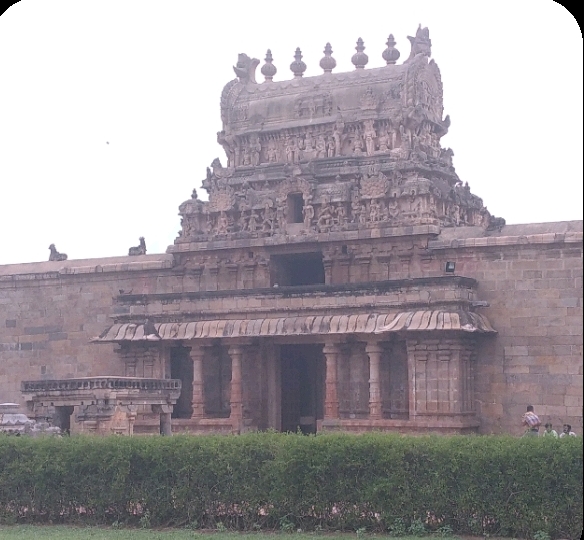
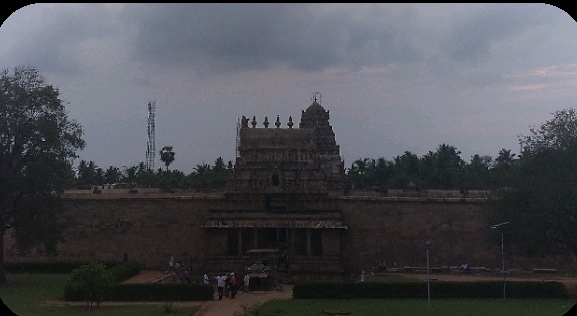
The area is known for the Airavateswara temple constructed by the Rajaraja Chola II in the 12th century CE. The temple is a recognised UNESCO World Heritage monument.
DARASURAM; AIRAVATESVARA TEMPLE Darasuram is situated in the palaiyarai region, which continued to be a crucial hub of chola administration even after the establishment of new capitals like Thanjavur and Gangaikondacholapuram. Around a Shiva shrine that Rajaraja II constructed in the twelfth century, Darasuram developed into a temple community of significant significance. The third in a line of ground stone
facing nand is at the corners, and topped by a dome there, Sikhara, lies above the fifth layer.
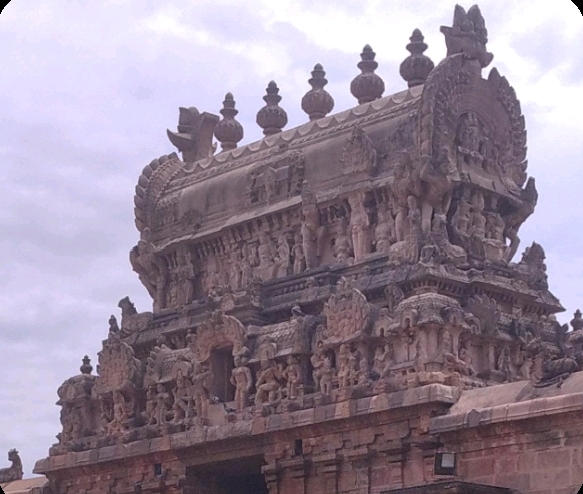
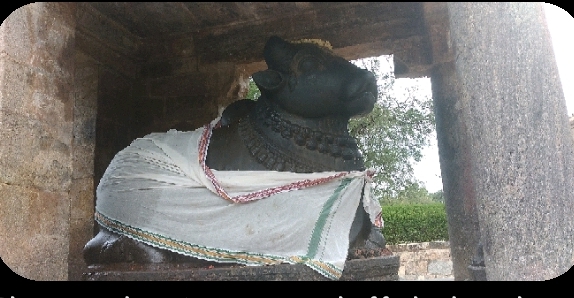
A huge gopura greets visitors as they approach the Airavatesvara Temple. Although its upper portion is entirely gone, the gopura inside is in excellent condition, making it possible to determine how it once looked. The second gopura continues on the bigger pregara wall that surrounds the temple, which is adorned with couchant bulls at various intervals. The gopura is supported by pillars that are lined up and have beautiful carvings of siva-ganas, absaras, and other patterns. A sizable bali-pita with lovely lotus flower arrangements is located beyond the gopura. Standing dwarf Siva-gana blowing on a conch is right behind the big Nandi on one side of it. both the hands and the siva-gana, or exquisite works of art. long, skinny frieze strips with several ornaments.
Small balustrades flanking the entrance on either side have lovely makara decorations on their exteriors. These balustrades were once meant to flank steps, but they are now missing. Each makara in the series features a pair of dwarf gana-riders, a curled-up snout, short legs, and a floriated tail, creating a charming theme.
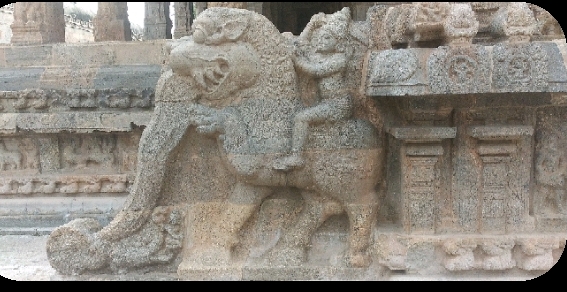
At the entrance, a lovely mandapa with several pillars is accessible via an extension to the south and has flights of stairs to the east and west. The exteriors of the balustrades for these steps are finely ornamented with a long curling trunk emerging from a lion’s head, as well as a similar design running parallel to an elephant’s trunk and lost in the wide jaws of a makara with a curled-up, floriated tail, to balance the overall design. The sankha- and padma-nidhis, two dwarf ganas, are mounted on the elephant and it is exquisitely adorned.
Kumara with six heads, who is positioned to the left of A lovely sculpture graces the entrance to the main cell. There are niches in the walls of the mandapa and the main shrine.
In keeping with the custom of the earlier temples at Thanjavur and Gangaikondacholapuram, there are exquisitely carved sculptures on the outside walls on either side of the niches that match to those housed in the niches. Ganesa’s niche is therefore flanked by dwarf attendants known as bhute ganas who transport offerings while riding the deity’s mouse; Dakshina-murti’s niche is bordered by wonderfully carved images of rishis who are, sadly, covered by a subsequent brick construction.The primary temple has three niches. The largest one is in the centre, and it is flanked by two double-pillar decorations. Its top is designed as a sala, and the flanking niches’ tops feature the koshtha pattern. Between them are double-pillar decorations with lion-headed kudus on top. Amid the nooks.
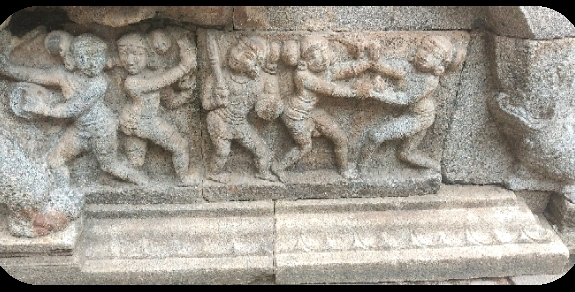
On the north, there is a gargoyle that spews water from the main cell. It discharges water into a sizable, intricately carved water reservoir with figures of dancing ganas on the walls. It is long, has a dip and double course, is embellished with two lion-head patterns, one at the source and the other as it starts the lower course at the point of the dip. Although the gargoyle in the temple at Thanjavur is standing, the gomukha is supported at the base by a caryatid dwarf gana, by a rearing yali, and by triple ganas at the end.
The Chandikesvara shrine, which resembles the one in Thanjavur, is close to the main temple and close to this gargoyle.The substantial paved courtyard’s prakara-wall
This mandapa’s top is embellished with a sala-roof that represents Nataraja’s sabha. The carving on the base of Vishnu playing the drum in front of the mandapa and the sculptures on the pillars and ceiling both clearly indicate that this is the temple’s natya-mandapa. This must have been the Nataraja bronze’s initial home; it is now preserved. The yaga-sala is located to the east of this, and further on are images of a king and queen in addition to representations of gods. The two portrait statues are most likely meant to portray Rajaraja II or Virarajendra and his queen.
Siva is shown as Kankala-murti in a spectacular collection of big carvings in the enclosed chamber to the west . There are images of rishis in the roofs of the niches along the north wall of the mandapa. In contrast to the heroic aspect that distinguishes the sculpture at Thanjavur and Gangaikondacholapuram, these, along with comparable figures within the niches, suggest a sense of serenity and tranquilly. The lengthy collection of Siva-purana legends and the Siva followers depicted here both allude to the same idea. It should be recalled that this was the time when the revered Devaram hymns and tales of Saiva rulers were compiled together. Furthermore, it is not improbable that Darasuram, given the magnificent collection of sculptures depicting Kankala and the rishi-patnis mentioned above, has something to do with Daruka-vana.
The name of the temple’s linga is Rajarajesvaram-udayar. A shrine to Devi, built contemporaneously with the main temple, is located next to Airavatesvara at the Deivanayaki Amman shrine. The exterior prakara-wall of the shrine, which is dedicated to Parvati or Deivanayaki Amman, is roughly 70 m west-cast and 30 m north-south. Its vimana has three tiers, its niches contain Devi images, and it exhibits features that place it among the Amman shrines of a slightly later period despite being essentially identical to the main temple. Fine works of art decorate the balustrade at the entry in the form of yalis with riders on either side. Also noteworthy are some carvings found on lattice windows. The unusual gargoyle serves to both bring water into the cell and convey it out, and it depicts a dwarf gana in a cute position. The small dancers in the miniature
Certain decorative elements, especially the creeper-patterns that create medallions for dance-figures on the pillars and some pillar-capitals, are reminiscent of the Rashtrakuta and Chalukya styles. The continual incursions into one another’s lands by the Chalukyas, Rashtrakutas, and Cholas might readily account for this. As a result, a dvarapala that was once in the Darasuram temple but has since been installed in the Thanjavur temple is made of Chalukya craftsmanship and has an inscription in early Chola letters on its pedestal that states that the Chola king brought it as a war trophy following the capture of Kalyanapura, the capital of the Western Chalukyas.at conclusion, despite the fact that the temples at Thanjavur and Gangaikondacholapuram had simple designs and large statures, it seemed like their maha-mandapas were merely there to appease the Agama.
SAIVA SAINTS’ STORIES DESCRIBED AT DARASURAM A sequence of stories about Saiva saints, depicted in small panels as the top line of the base of the vimana and the mandapa, are of great interest and narrative force at the Darasaram temple. Many of these are explained by labels carved into historical figures; some of these are listed below. Numerous scenes feature graphic depictions of the great saint Appar. Mahendra-varman Pallava, who later converted, and who is invariably shown potato against his shoulder while doing so. Then there is the tale of Tirumular, who took a bath in the tank next to the temple with his wife. The legend of a saint who enjoyed feeding Saiva disciples follows thus. Siva tested after.






 Social Scientist 📝