“The Intricate Tapestry of Beauty:

Beauty is a concept that transcends cultural boundaries, evolving through time and space. In this article, we embark on a journey to unravel the intricate tapestry of beauty, delving into its multifaceted dimensions that extend beyond the superficial. From art and nature to the human experience, we explore the diverse facets that contribute to our perception of beauty.

Nature serves as an endless wellspring of beauty, captivating us with its harmonious landscapes and awe-inspiring wonders. From the delicate symmetry of a flower to the grandeur of a mountain range, the aesthetics of nature evoke a profound sense of wonder and appreciation. Beauty in nature transcends the visual, encompassing the soothing sounds of a babbling brook and the invigorating scents of a pine forest. It is an immersive experience that connects us to the sublime.

Art has been a timeless conduit for the exploration and expression of beauty. Whether through painting, sculpture, music, or literature, artists channel their perceptions of beauty into creations that resonate with the human soul. The brushstrokes of a masterful painting, the melodic notes of a symphony, or the eloquence of a well-crafted poem all speak to the transcendent nature of beauty. Art has the power to challenge norms, provoke thought, and redefine societal standards of beauty.

In the realm of human experience, beauty takes on a personal and social dimension. The human face, with its diversity of features, becomes a canvas for individual and cultural ideals of beauty. Beyond physical attributes, expressions of kindness, resilience, and authenticity contribute to a person’s inner beauty. Society’s standards often shape our perception of physical beauty, but the evolving conversation around body positivity and inclusivity challenges these norms, celebrating the uniqueness of each individual.

Beauty is a dynamic concept that varies across cultures, reflecting diverse values and traditions. What one culture deems beautiful may differ significantly from another. This cultural relativism underscores the subjectivity of beauty and the importance of embracing a global perspective. Exploring and appreciating beauty through various cultural lenses enriches our understanding and fosters a more inclusive appreciation of diverse forms of aesthetic expression.
In our exploration of beauty’s multifaceted dimensions, we discover that it is not confined to a singular definition. Instead, beauty is a dynamic and evolving concept shaped by nature, art, human experience, and cultural influences. Embracing the richness of these diverse facets allows us to cultivate a deeper, more holistic appreciation for the beauty that surrounds us in the world. Beauty, in its myriad forms, becomes a lens through which we perceive and celebrate the inherent richness of life.

“The Intricate Tapestry of Beauty:

Beauty is a concept that transcends cultural boundaries, evolving through time and space. In this article, we embark on a journey to unravel the intricate tapestry of beauty, delving into its multifaceted dimensions that extend beyond the superficial. From art and nature to the human experience, we explore the diverse facets that contribute to our perception of beauty.

Nature serves as an endless wellspring of beauty, captivating us with its harmonious landscapes and awe-inspiring wonders. From the delicate symmetry of a flower to the grandeur of a mountain range, the aesthetics of nature evoke a profound sense of wonder and appreciation. Beauty in nature transcends the visual, encompassing the soothing sounds of a babbling brook and the invigorating scents of a pine forest. It is an immersive experience that connects us to the sublime.

Art has been a timeless conduit for the exploration and expression of beauty. Whether through painting, sculpture, music, or literature, artists channel their perceptions of beauty into creations that resonate with the human soul. The brushstrokes of a masterful painting, the melodic notes of a symphony, or the eloquence of a well-crafted poem all speak to the transcendent nature of beauty. Art has the power to challenge norms, provoke thought, and redefine societal standards of beauty.

In the realm of human experience, beauty takes on a personal and social dimension. The human face, with its diversity of features, becomes a canvas for individual and cultural ideals of beauty. Beyond physical attributes, expressions of kindness, resilience, and authenticity contribute to a person’s inner beauty. Society’s standards often shape our perception of physical beauty, but the evolving conversation around body positivity and inclusivity challenges these norms, celebrating the uniqueness of each individual.

Beauty is a dynamic concept that varies across cultures, reflecting diverse values and traditions. What one culture deems beautiful may differ significantly from another. This cultural relativism underscores the subjectivity of beauty and the importance of embracing a global perspective. Exploring and appreciating beauty through various cultural lenses enriches our understanding and fosters a more inclusive appreciation of diverse forms of aesthetic expression.

In our exploration of beauty’s multifaceted dimensions, we discover that it is not confined to a singular definition. Instead, beauty is a dynamic and evolving concept shaped by nature, art, human experience, and cultural influences. Embracing the richness of these diverse facets allows us to cultivate a deeper, more holistic appreciation for the beauty that surrounds us in the world. Beauty, in its myriad forms, becomes a lens through which we perceive and celebrate the inherent richness of life.

Navigating Transgender Issues:

In recent years, conversations surrounding transgender rights and issues have gained momentum, challenging societal norms and advocating for inclusivity. This article aims to delve into the multifaceted aspects of transgender-related concerns, shedding light on the challenges faced by the transgender community and the progress made in fostering understanding and acceptance.

Transgender individuals experience a misalignment between their gender identity and the sex assigned to them at birth. It is crucial to recognize that gender identity exists on a spectrum, and not all individuals identify strictly as male or female. The journey of self-discovery and acceptance for transgender people can be complex, often involving struggles with societal expectations, discrimination, and prejudice.

Legislation plays a pivotal role in safeguarding the rights of transgender individuals. In many regions, the legal landscape is evolving to better address transgender issues. From anti-discrimination laws to gender-neutral identification options, progress is being made to create a more inclusive environment. However, gaps in protection still exist, and ongoing advocacy is necessary to address them.

Access to competent and inclusive healthcare remains a significant concern for transgender individuals. Many face discrimination from healthcare providers, leading to a reluctance to seek medical assistance. Additionally, gender-affirming care, including hormone therapy and gender confirmation surgeries, is not universally accessible. Addressing these disparities is crucial for ensuring the well-being of the transgender community.
Transgender individuals are disproportionately affected by mental health issues, often stemming from societal stigma, discrimination, and a lack of acceptance. High rates of depression, anxiety, and suicide attempts underscore the urgent need for mental health support tailored to the unique challenges faced by transgender individuals. Creating safe spaces and fostering acceptance can contribute to improved mental health outcomes.

Education plays a pivotal role in dismantling stereotypes and fostering understanding. Schools and educational institutions must implement inclusive curricula that cover diverse gender identities and expressions. Additionally, raising awareness about transgender issues within communities helps challenge preconceived notions and fosters empathy.

Transgender individuals often face discrimination in the workplace, including issues related to hiring, promotions, and workplace culture. Advocating for inclusive workplace policies, such as gender-neutral restrooms and dress codes, is essential. Embracing diversity and ensuring equal opportunities contribute to creating environments where transgender individuals can thrive professionally.

Transgender individuals, like anyone else, encompass a range of identities beyond gender. Intersectionality acknowledges the interconnectedness of various social categories, such as race, ethnicity, socioeconomic status, and sexual orientation. Recognizing and addressing the unique challenges faced by transgender individuals at the intersection of multiple identities is essential for fostering true inclusivity.

As society continues to evolve, it is imperative to champion the rights and well-being of transgender individuals. By understanding the complexities of transgender issues, advocating for inclusive policies, and fostering acceptance, we can contribute to creating a world where everyone, regardless of gender identity, can live authentically and free from discrimination. The journey towards transgender equality is ongoing, and each step forward is a testament to the progress made and the work that lies ahead.

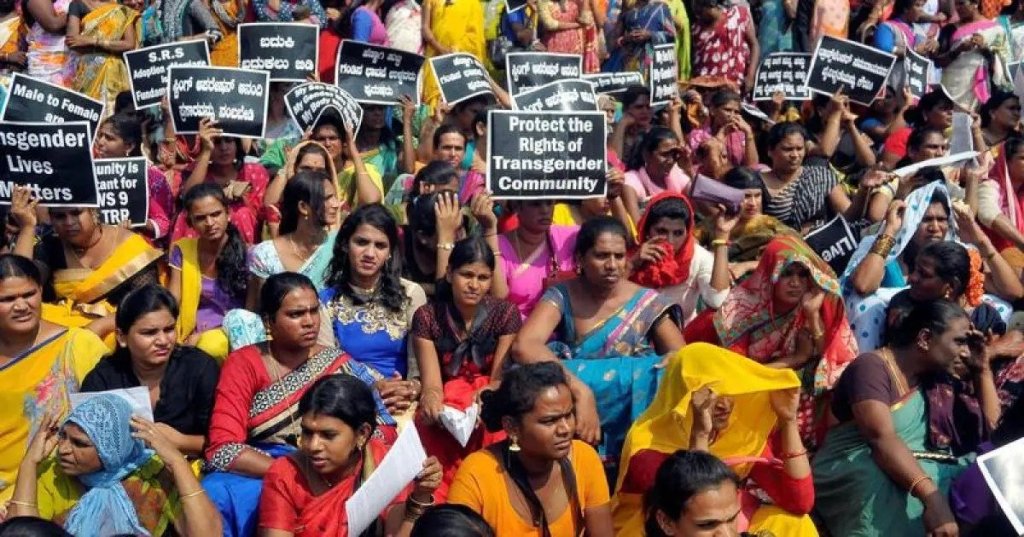
Transgender protest

“Epic Showdown in the 2023 Cricket World Cup: A Battle of Titans”

The year 2023 witnessed one of the most anticipated events in the cricketing world – the Cricket World Cup. Teams from across the globe gathered to compete for the prestigious title, bringing together a plethora of talent, skill, and excitement. Among the myriad matches that unfolded, one particular clash stood out as an epic showdown, capturing the hearts of cricket enthusiasts worldwide.

As the tournament progressed, teams battled fiercely in the group stages to secure their spots in the knockout rounds. The clash that would later become the talk of the town was a quarter-final encounter between two cricketing giants – India and Australia. The stakes were high, and the cricketing world eagerly awaited the outcome of this monumental clash.

Both India and Australia had displayed outstanding performances leading up to the quarter-finals. The Indian team, led by their charismatic captain Virat Kohli, boasted a formidable lineup of batsmen, bowlers, and all-rounders. On the other hand, Australia, under the captaincy of the experienced Aaron Finch, had a well-balanced team with a mix of seasoned campaigners and emerging talents.

The match was scheduled to take place at a renowned cricketing venue known for its lively pitches. The toss became crucial, and both captains were aware of the significance of setting the tone early. The conditions were ideal for an enthralling contest, with a clear sky and a perfect blend of pace and bounce in the pitch.

Australia won the toss and elected to bat, looking to set a challenging target for India. The Australian openers, David Warner and Aaron Finch, strode confidently to the crease, ready to take on the formidable Indian bowling attack. The Indian pacers, spearheaded by Jasprit Bumrah and Mohammed Shami, bowled with precision and pace, making early inroads into the Australian batting lineup.

However, Steve Smith, Australia’s batting maestro, anchored the innings with a sublime century, guiding his team to a competitive total. The Indian bowlers faced a stern test, but their perseverance paid off as they managed to restrict Australia to a challenging but gettable score.

Chasing the target, India began their innings with Rohit Sharma and Shikhar Dhawan at the crease. The Australian bowlers, led by Mitchell Starc and Pat Cummins, made early breakthroughs, creating moments of tension in the Indian camp. However, Virat Kohli, the talismanic captain, took charge and played a captain’s knock, steadying the ship with a crucial partnership alongside Rohit Sharma.

As the match progressed, the pendulum swung back and forth, with both teams refusing to give an inch. The contest became a spectacle of skill and temperament, with the outcome hanging in the balance until the final overs.

With India needing a manageable run rate in the last five overs, Australia introduced their ace spinner Adam Zampa to break the partnership. In a dramatic turn of events, Zampa dismissed Kohli and Sharma in quick succession, injecting a surge of adrenaline into the Australian camp. The match, which seemed to be slipping away from Australia’s grasp, now took an unexpected turn.

As the match entered its climax, the tension in the stadium reached a fever pitch. India needed a few runs off the last over, and the responsibility fell on the shoulders of the young sensation, Rishabh Pant. With composure beyond his years, Pant showcased his fearless approach, hitting a boundary and a six in the final over to seal a nail-biting victory for India.

The quarter-final clash between India and Australia in the 2023 Cricket World Cup will be etched in the annals of cricketing history as a match for the ages. The ebb and flow of the game, the individual brilliance of players, and the sheer drama of the contest captured the essence of why cricket is a sport loved by millions. As the teams embraced each other at the end of the match, it was evident that cricket had emerged as the ultimate winner, leaving fans eagerly anticipating the next chapter of the World Cup saga.

அன்றாட வாழ்வில் அறிவியல்:

அறிவியலும் தொழில்நுட்பமும்

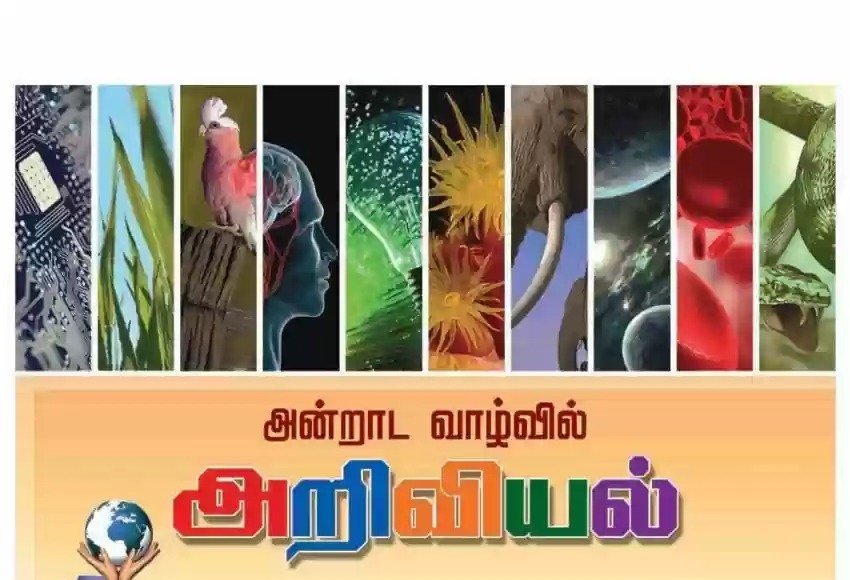
அறிவியலும் தொழில்நுட்பமும் நமது அன்றாட வாழ்வின் முக்கியமான பகுதிகள் .அலார கடிகாரம் அடித்து காலையில் எழுந்து, இரவு விளக்குகளை அணைத்துவிட்டு உறங்கச் செல்வோம். நாம் வாங்கக்கூடிய இந்த ஆடம்பரங்கள் அனைத்தும் அறிவியல் மற்றும தொழில்நுட்பத்தின் விளைவாக மிக முக்கியமாக, இதையெல்லாம் நாம் எப்படி குறுகிய காலத்தில் செய்ய முடியும் என்பது அறிவியல் மற்றும் தொழில் நுட்பத்தின் முன்னேற்றத்தால் மட்டுமே. அறிவியல் மற்றும் தொழில்நுட்பம் இல்லாத நமது வாழ்க்கையை கற்பனை செய்வது கடினம். உண்மையில் நமது இருப்பே இப்போது அதைச் சார்ந்திருக்கிறது. ஒவ்வொரு நாளும் புதிய தொழில்நுட்பங்கள் வருகின்றன, அவை மனித வாழ்க்கையை எளிதாகவும் வசதியாகவும் மாற்றுகின்றன. எனவே, நாம் அறிவியல் மற்றும் தொழில்நுட்ப சகாப்தத்தில் வாழ்கிறோம். முக்தியமாக, நவீன நாகரிகத்தை நிறுவுவதற்கு அறிவியல் மற்றும் தொழில்துட்பம் நம்மை அறிமுகப்படுத்தியுள்ளது. இந்த வளர்ச்சி நமது அன்றாட வாழ்வின் ஒவ்வொரு அம்சத்திற்கும் பெரிதும் உதவுகிறது எனவே, மக்கள் இந்த முடிவுகளை அடைபும் வாய்ப்பைப் பெறுகிறார்கள், இது நம் வாழ்க்கையை மிகவும் நிதானமாகவும் மகிழ்ச்சியாகவும் ஆக்குகிறது. நாம் இதைப் பற்றி யோசித்தும் பார்த்தால், அறிவியல் மற்றும் தொழில் நுட்பத்தில் பல நன்மைகள் உள்ளன. அவை சிறிய விஷியங்கள் முதல் பெரியவை வரை உள்ளன. உதாரணமாக, நமக்கு நம்பகமான தகவல்களை வழங்கும் காலைப் பத்திரிக்கை அறிவியல் முன்னேற்றத்தின் விளைவாகும் கூடுதலாக,குளிர்சாதனப்பெட்டி, ஏசி, மைக்ரோவேவ் கைபேசி என பல வாழ்க்கையில்கற்பனையே செய்ய முடியாத மின் சாதனங்கள் தொழில் நுட்ப முன்னேற்றத்தின் விளைவாகும். மேலும் நாம் போக்குவரத்து சூழ்நிலையைப் பார்த்தால், அறிவியலும் தொழில்நுட்பமும் இங்கு எவ்வாறு முக்கிய பங்கு வகுக்கின்றன என்பதை நாம் வர்ணிக்கிறோம். முன்னேறி வரும் தொழில் நுட்பத்தின் மூலம் பூமியின் மற்ற பகுதியை சில மணி நேரங்களுக்குள் விரைவாக சென்றடைய முடியும். அறிவியலும் தொழில் நூ-பமும் மனித நாகரிகத்தை வாழ்வில் முழுமை அடைய வழிவகுத்துள்ளன என்பதை நாம் ஒப்புக்கொள்ள வேண்டும். எவ்வாறாயினும், நாம் எல்லாவற்றையும் புத்திசாலித்தனமான கண்ணோட்டத்திலும் வரையறுக்கப்பட்ட அளவிலும் பயன்படுத்த வேண்டும். அறிவியலையும் தொழில்நுட்பத்தையும் தவறாகப் பயன்படுத்தினால் தீங்கு விளைவிக்கும். எனவே, பயன்பாட்டைக் கண்காணித்து, நமது செயல்களில் புத்திசாலித்தனமாக இருக்க வேண்டும். இப்போது, உலகம் முழுவதிலும் உள்ள ஆக்கபூர்வமான மற்றும் அடிப்படையான அறிவியல் வளர்ச்சிகளின் இன்றியமையாத ஆதாரமாக இது மாறியுள்ளது. வேறு வார்த்தைகளில் கூறுவதானால், நம் நாட்டின் அனைத்து நம்பமுடியாத அறிவியல் மற்றும் தொழில் நுட்ப முன்னேற்றங்கள் பொருளாதாரத்தை மேம்படுத்தியுள்ளன.

அறிவியலும் தொழில்நுட்பமும்

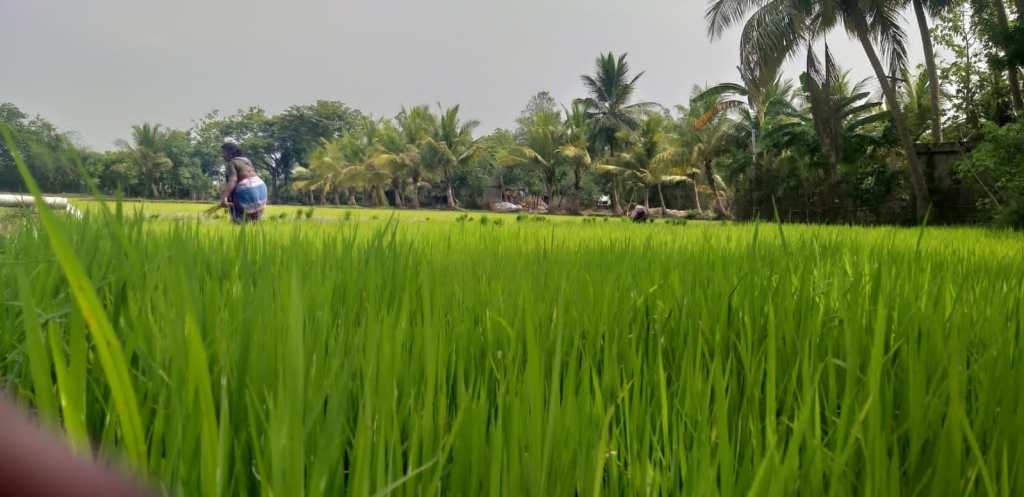
“Sustainable Agriculture: Nurturing the Future of Our Planet”

Introduction:
In an era where environmental consciousness is paramount, the role of agriculture takes center stage. Sustainable agriculture, with its focus on minimizing environmental impact while ensuring productivity, has become an indispensable solution for the challenges facing our planet. This article explores the principles of sustainable agriculture and its potential to revolutionize the way we produce food.

Understanding Sustainable Agriculture:
Sustainable agriculture is a holistic approach that considers the long-term health of ecosystems, communities, and economies. It involves practices that minimize the use of non-renewable resources, promote biodiversity, and enhance soil fertility. Crop rotation, agroforestry, and integrated pest management are key components that foster sustainability.

The Importance of Soil Health:
Central to sustainable agriculture is the preservation and enhancement of soil health. Practices like cover cropping and minimal tillage help prevent soil erosion, improve water retention, and promote nutrient cycling. Healthy soils not only boost crop yields but also contribute to mitigating climate change by sequestering carbon.

Precision Farming and Technology:
Technology plays a pivotal role in sustainable agriculture. Precision farming, utilizing tools like drones and sensors, enables farmers to optimize resource use, monitor crop health, and reduce waste. Smart irrigation systems, for instance, ensure that water is applied precisely where and when it is needed, reducing water consumption.

Agroecology and Biodiversity:
Sustainable agriculture embraces the principles of agroecology, emphasizing the interdependence of crops, livestock, and the environment. Diverse farming systems enhance resilience to pests and diseases, reducing the need for chemical inputs. Integrating pollinator-friendly practices also promotes biodiversity and ensures the health of ecosystems.

Local and Organic Farming:
Supporting local and organic farming is a tangible way consumers can contribute to sustainable agriculture. These practices prioritize environmentally friendly farming methods, reduce the carbon footprint associated with transportation, and support local economies. Choosing locally grown, organic produce fosters a healthier food system.

Conclusion:
In conclusion, sustainable agriculture offers a pathway to a more resilient and environmentally conscious future. By adopting practices that prioritize the health of ecosystems, communities, and economies, we can ensure that agriculture becomes a positive force for both people and the planet.

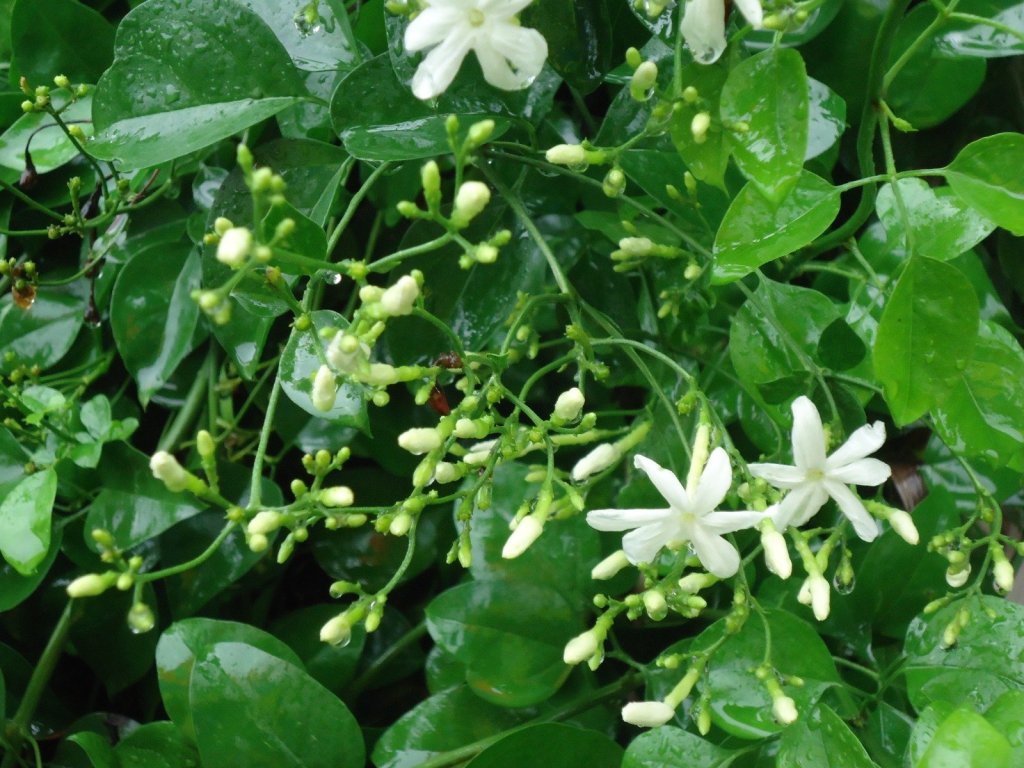
Agriculture

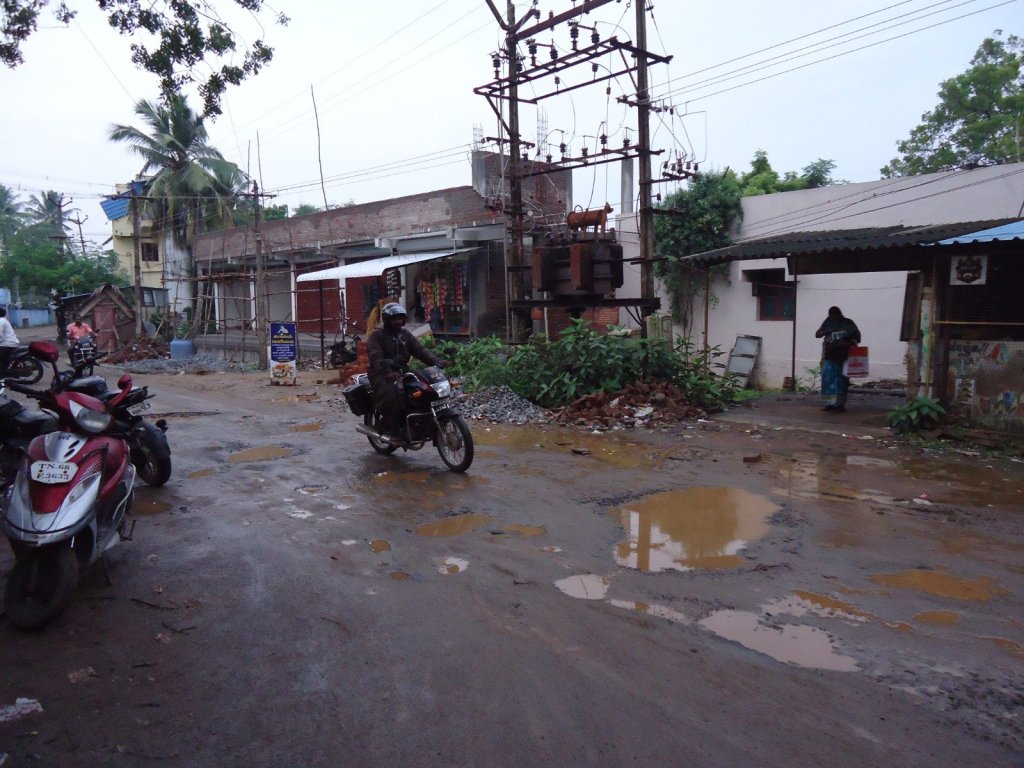
Drainage is vital for a hassle-free and safe environment.

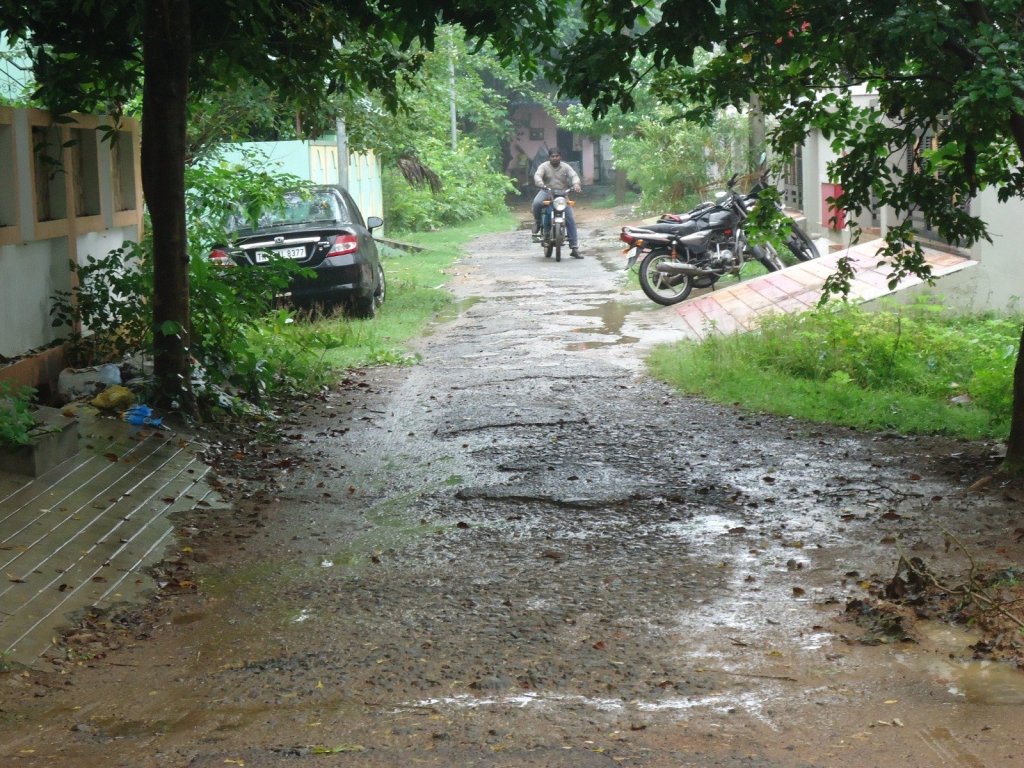
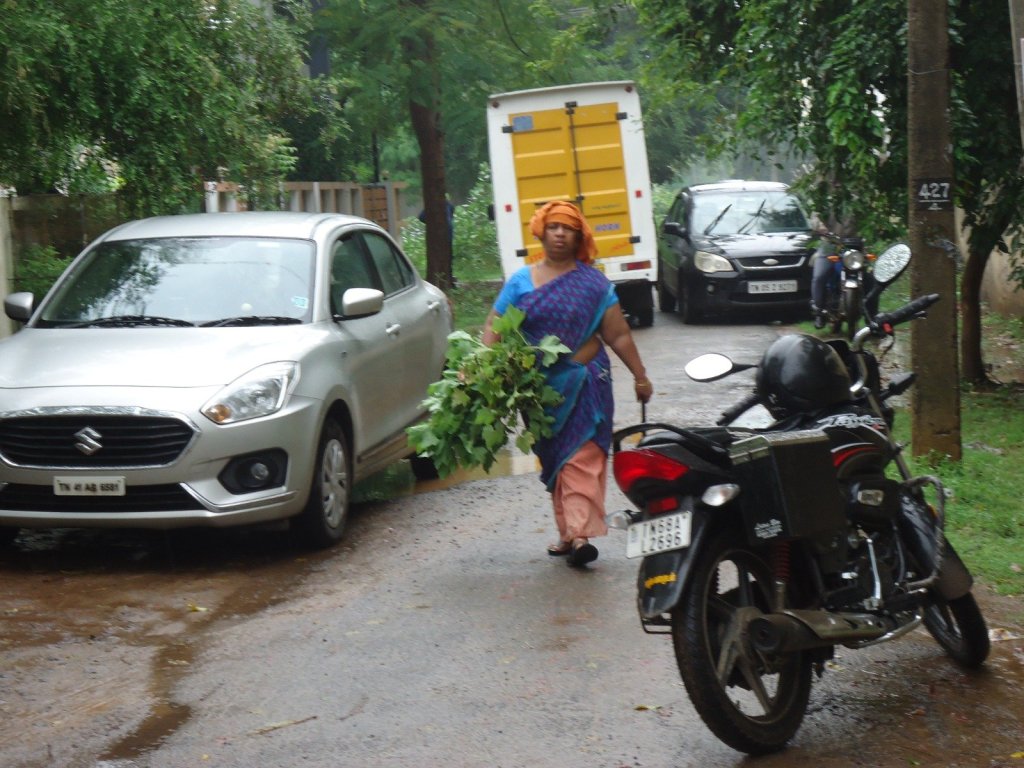
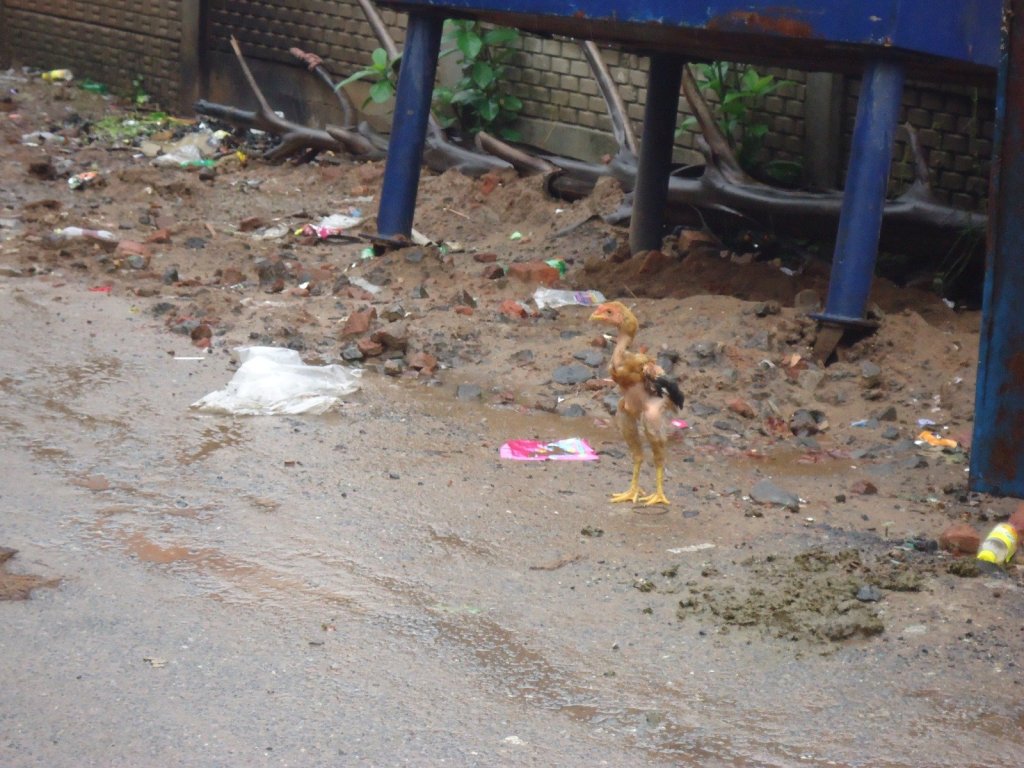
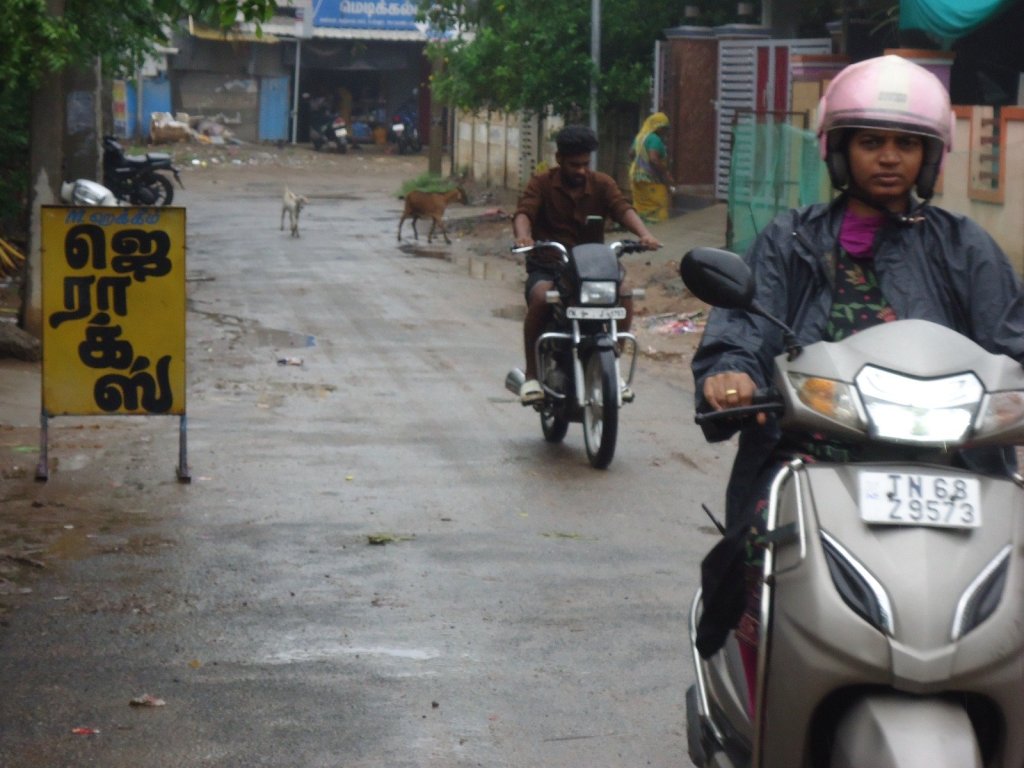
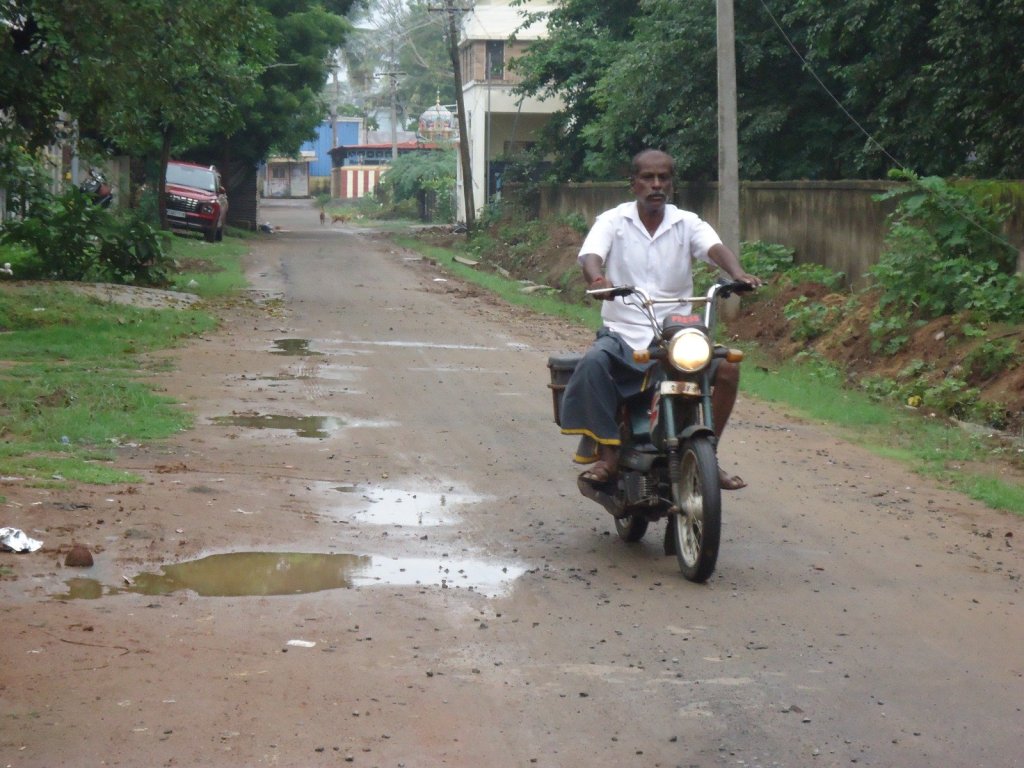
Kumbakonam State Bank Colony, a vibrant community nestled in the heart of the town, has been grappling with persistent drainage issues that have far-reaching implications on the social fabric of the locality. The inadequate drainage system poses not only environmental challenges but also significantly impacts the well-being and daily lives of the residents. This article aims to shed light on the social issues arising from the drainage problems in Kumbakonam State Bank Colony and advocate for sustainable solutions.

Kumbakonam State Bank Colony, like many urban areas, has witnessed rapid growth in population and infrastructure. Unfortunately, the drainage system has not kept pace with this development, resulting in frequent waterlogging and sewage overflow. The consequences are dire, affecting the community’s health, education, and overall quality of life.

The stagnant water in poorly drained areas becomes a breeding ground for mosquitoes and other disease vectors. This escalation in vector-borne diseases, including dengue and malaria, poses a severe threat to the health of residents. Children and the elderly, in particular, are vulnerable, leading to increased medical expenses and a strain on the community’s healthcare resources.

The drainage issues also extend their reach to the education sector. Schools in the vicinity often face closures during heavy rainfall, disrupting the academic calendar. Students’ attendance and performance suffer, exacerbating educational inequalities. Additionally, the lack of proper drainage infrastructure affects the transportation of students to and from schools, further hindering their access to education.

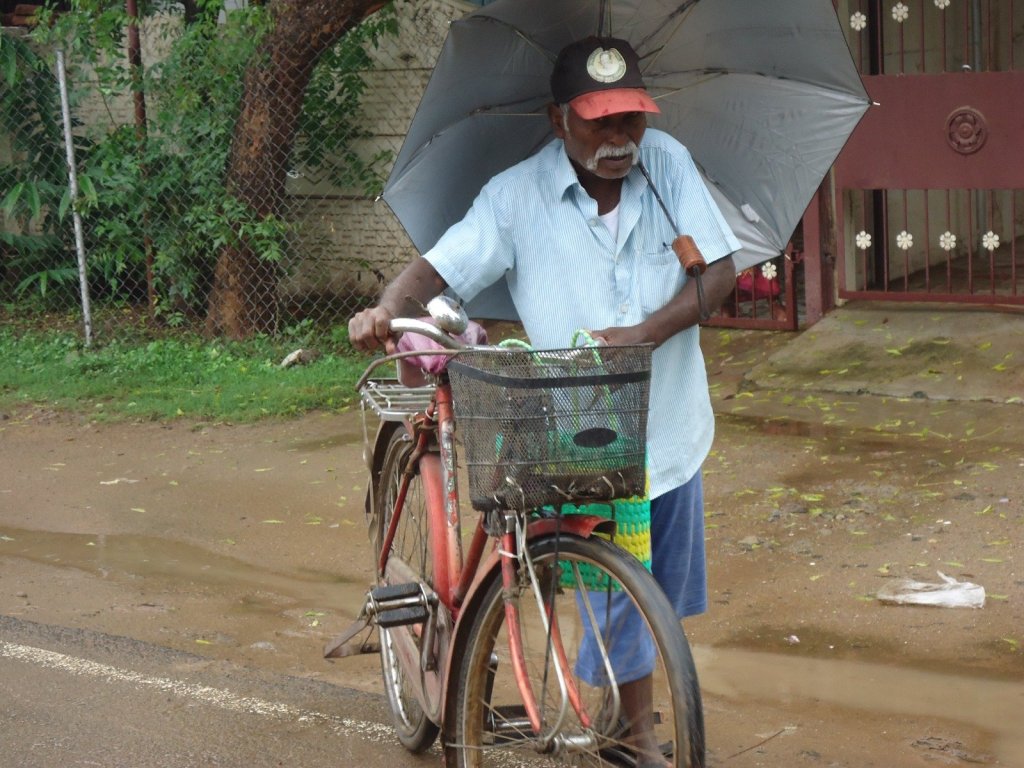
Persistent drainage problems contribute to social isolation within the community. Areas prone to waterlogging become inaccessible during the monsoon season, limiting residents’ mobility. This isolation hampers social interactions, community events, and economic activities, fostering a sense of disconnect among the residents. Over time, this can lead to a breakdown in community bonds and exacerbate social disparities.

The economic implications of drainage issues are profound. Local businesses, including shops and markets, suffer due to the inaccessibility caused by waterlogged streets. Property values decline, impacting homeowners and discouraging potential investors. The overall economic downturn affects livelihoods and perpetuates a cycle of poverty within the community.

Addressing the drainage issues in Kumbakonam State Bank Colony requires a comprehensive and sustainable approach. The local government, in collaboration with community stakeholders, should invest in modernizing the drainage infrastructure. Implementation of proper stormwater management systems, regular maintenance, and community awareness programs can play a crucial role in mitigating these challenges.

In conclusion, the drainage issues in Kumbakonam State Bank Colony are not just environmental concerns but deeply rooted social problems affecting the health, education, and economic stability of the community. It is imperative for local authorities and residents to collaborate in finding sustainable solutions to these challenges. By addressing the drainage issues, we can pave the way for a healthier, more connected, and prosperous community in Kumbakonam State Bank Colony.

Drainage wastage
Design a site like this with WordPress.com
Get started