Beauty is a concept that transcends cultural boundaries, evolving through time and space. In this article, we embark on a journey to unravel the intricate tapestry of beauty, delving into its multifaceted dimensions that extend beyond the superficial. From art and nature to the human experience, we explore the diverse facets that contribute to our perception of beauty.
Nature serves as an endless wellspring of beauty, captivating us with its harmonious landscapes and awe-inspiring wonders. From the delicate symmetry of a flower to the grandeur of a mountain range, the aesthetics of nature evoke a profound sense of wonder and appreciation. Beauty in nature transcends the visual, encompassing the soothing sounds of a babbling brook and the invigorating scents of a pine forest. It is an immersive experience that connects us to the sublime.
Art has been a timeless conduit for the exploration and expression of beauty. Whether through painting, sculpture, music, or literature, artists channel their perceptions of beauty into creations that resonate with the human soul. The brushstrokes of a masterful painting, the melodic notes of a symphony, or the eloquence of a well-crafted poem all speak to the transcendent nature of beauty. Art has the power to challenge norms, provoke thought, and redefine societal standards of beauty.
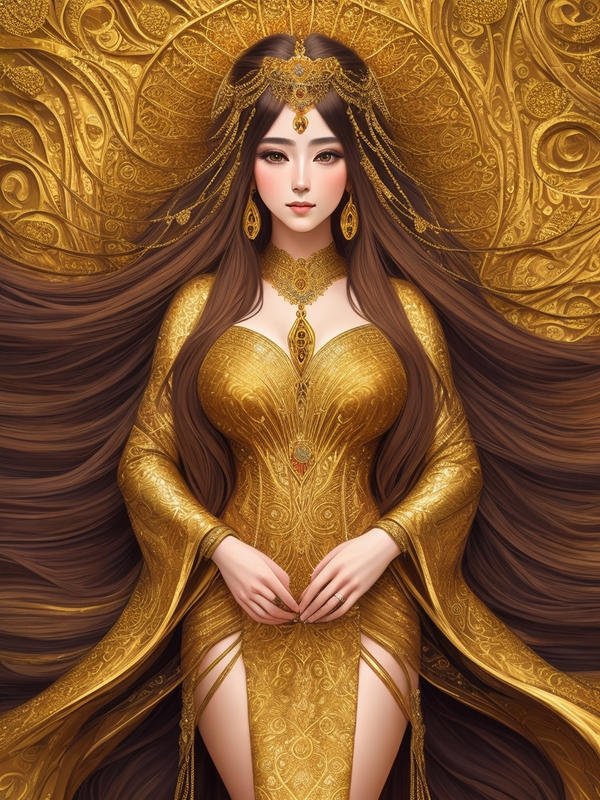
In the realm of human experience, beauty takes on a personal and social dimension. The human face, with its diversity of features, becomes a canvas for individual and cultural ideals of beauty. Beyond physical attributes, expressions of kindness, resilience, and authenticity contribute to a person’s inner beauty. Society’s standards often shape our perception of physical beauty, but the evolving conversation around body positivity and inclusivity challenges these norms, celebrating the uniqueness of each individual.
Beauty is a dynamic concept that varies across cultures, reflecting diverse values and traditions. What one culture deems beautiful may differ significantly from another. This cultural relativism underscores the subjectivity of beauty and the importance of embracing a global perspective. Exploring and appreciating beauty through various cultural lenses enriches our understanding and fosters a more inclusive appreciation of diverse forms of aesthetic expression.
In our exploration of beauty’s multifaceted dimensions, we discover that it is not confined to a singular definition. Instead, beauty is a dynamic and evolving concept shaped by nature, art, human experience, and cultural influences. Embracing the richness of these diverse facets allows us to cultivate a deeper, more holistic appreciation for the beauty that surrounds us in the world. Beauty, in its myriad forms, becomes a lens through which we perceive and celebrate the inherent richness of life.
 Social Scientist 📝