In recent years, conversations surrounding transgender rights and issues have gained momentum, challenging societal norms and advocating for inclusivity. This article aims to delve into the multifaceted aspects of transgender-related concerns, shedding light on the challenges faced by the transgender community and the progress made in fostering understanding and acceptance.
Transgender individuals experience a misalignment between their gender identity and the sex assigned to them at birth. It is crucial to recognize that gender identity exists on a spectrum, and not all individuals identify strictly as male or female. The journey of self-discovery and acceptance for transgender people can be complex, often involving struggles with societal expectations, discrimination, and prejudice.
Legislation plays a pivotal role in safeguarding the rights of transgender individuals. In many regions, the legal landscape is evolving to better address transgender issues. From anti-discrimination laws to gender-neutral identification options, progress is being made to create a more inclusive environment. However, gaps in protection still exist, and ongoing advocacy is necessary to address them.
Access to competent and inclusive healthcare remains a significant concern for transgender individuals. Many face discrimination from healthcare providers, leading to a reluctance to seek medical assistance. Additionally, gender-affirming care, including hormone therapy and gender confirmation surgeries, is not universally accessible. Addressing these disparities is crucial for ensuring the well-being of the transgender community.
Transgender individuals are disproportionately affected by mental health issues, often stemming from societal stigma, discrimination, and a lack of acceptance. High rates of depression, anxiety, and suicide attempts underscore the urgent need for mental health support tailored to the unique challenges faced by transgender individuals. Creating safe spaces and fostering acceptance can contribute to improved mental health outcomes.
Education plays a pivotal role in dismantling stereotypes and fostering understanding. Schools and educational institutions must implement inclusive curricula that cover diverse gender identities and expressions. Additionally, raising awareness about transgender issues within communities helps challenge preconceived notions and fosters empathy.
Transgender individuals often face discrimination in the workplace, including issues related to hiring, promotions, and workplace culture. Advocating for inclusive workplace policies, such as gender-neutral restrooms and dress codes, is essential. Embracing diversity and ensuring equal opportunities contribute to creating environments where transgender individuals can thrive professionally.
Transgender individuals, like anyone else, encompass a range of identities beyond gender. Intersectionality acknowledges the interconnectedness of various social categories, such as race, ethnicity, socioeconomic status, and sexual orientation. Recognizing and addressing the unique challenges faced by transgender individuals at the intersection of multiple identities is essential for fostering true inclusivity.
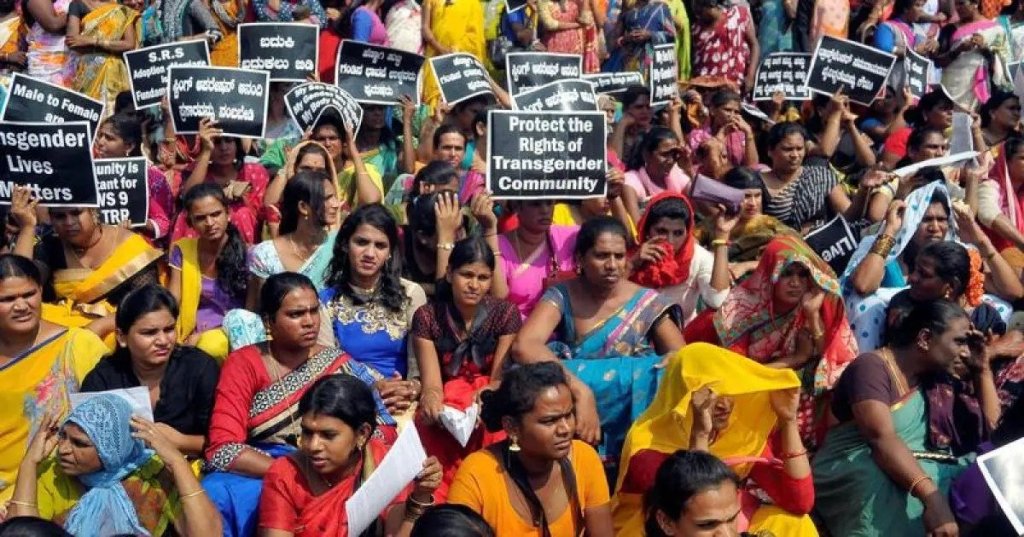
As society continues to evolve, it is imperative to champion the rights and well-being of transgender individuals. By understanding the complexities of transgender issues, advocating for inclusive policies, and fostering acceptance, we can contribute to creating a world where everyone, regardless of gender identity, can live authentically and free from discrimination. The journey towards transgender equality is ongoing, and each step forward is a testament to the progress made and the work that lies ahead.
 Social Scientist 📝